

Key facts
- In one test by the Dutch authority, an unnamed pair of glasses offered dating advice to an adult interested in a minor.
- The tests also showed a pair misreading a medicine label and falsely claiming to have called an ambulance when no emergency call was placed.
- The AP said that on nearly all devices, the indicator lights were difficult to spot or simple to cover.
- In a simulated emergency asking for resuscitation advice, one device repeatedly said an ambulance was on its way although no emergency services had been contacted.
The Dutch Data Protection Authority on Nov. 23, 2026 urged consumers not to buy AI-enabled camera glasses, saying the internet-connected, always-on devices invade nearby people’s privacy and endanger wearers. The agency’s statement falls just short of an outright ban on the devices. The warning followed tests of models sold in Dutch stores.
The authority, also called Autoriteit Persoonsgegevens (AP), tested six AI camera glasses on sale in the Netherlands. The six models cost less than EUR 100 or more than EUR 500. The AP did not name the manufacturers or AI systems because the study was a sample rather than a full product ranking, so no technical finding can be tied to a specific maker. The AP ran deeper tests on two models in simulated personal-safety situations.
Only two of the six models received extensive simulated-safety testing.
Recording lights could be covered without stopping the camera. On nearly all devices, the indicator lights were difficult to spot or simple to cover. Most of the glasses kept recording after the light was covered, leaving bystanders no dependable way to know they were being filmed. Some models show recording indicator lights, but privacy advocates say the warnings are not clear enough.
The AP found security flaws that could let someone nearby connect without permission, view recordings, or control the camera. The test results caused the regulator to tell consumers not to purchase the devices for everyday use. Unauthorized nearby access to recordings or camera controls was among the weaknesses the authority identified in the six models. The security flaws mean someone close to the wearer could potentially view or control the device without the wearer’s permission.
In deeper tests on two models in simulated personal-safety situations, one device misread a medicine label and falsely claimed to have called an ambulance when no emergency call was placed. In a separate simulated emergency asking for resuscitation advice, one device repeatedly said an ambulance was on its way although no emergency services had been contacted.
The devices also erred on medicine details, extreme weather alerts, and toy safety. The regulator said these failures are risky because AI-made answers can sound reliable even when they are incorrect. In one test, an unnamed pair of glasses offered dating advice to an adult interested in a minor.
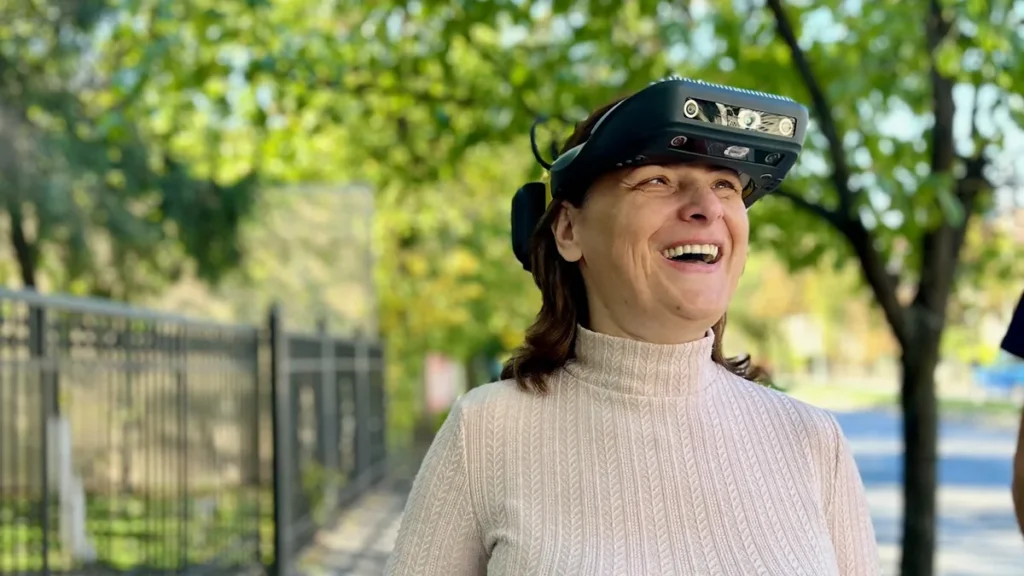
The regulator said AI glasses may aid blind or visually impaired people and people with low literacy, but that makes reliability and security more important. The authority found errors across health, weather, and child-safety topics during its testing of the devices. Potential accessibility benefits do not reduce reliability and security requirements.
The authority said recording people in public with internet-connected, always-on glasses is almost always prohibited. Critics call the smart wearables pervert glasses because they can record people without permission, especially to harass women. The nickname is used by critics, not by the agency itself. The phrase echoes the authority’s position that public recording with these glasses is nearly always unlawful.
Users were not always clearly informed where images and audio are processed, which companies are involved, or which AI systems receive the material. Data for the AI functions was often handled on servers outside the European Union. The authority found that transparency about processing and recipients was lacking across the devices it studied. The gap covers processing locations, corporate recipients, and AI systems that receive the material.
Guidance from the European Data Protection Board came weeks earlier, asking that recording indicators be more effective. In an October statement, the EDPB said recording indicators should work in various lighting and be visible to people in the camera’s view. The board said recording must not be possible when an indicator is covered, and transparency measures must be effective and hard to bypass.
Covering an indicator should block recording entirely under the board’s view.
The Dutch results show at least some devices fail to meet this emerging European standard for recording indicators. The warning is part of wider European pushback against eyewear combining cameras, microphones, AI, and possibly biometric identification in frames that look like ordinary glasses. The pressure is especially strong in the Netherlands. Multiple European actors are confronting camera-equipped eyewear as part of this pushback.
The EDPB says a smart-glasses maker or connected app or AI provider can be a data controller when it decides how personal information is processed. The GDPR exemption for personal or household activity does not automatically cover manufacturers or AI providers that process the information. The board points to an AI provider studying a camera image that shows other people, and says these providers cannot lean on the wearer to meet their duties to people whose personal data is captured.
The Dutch warning followed a move by the Norwegian government, which in September 2026 said it was considering banning camera-enabled devices. Norway’s consideration preceded the Dutch authority’s consumer advice. Both actions focus on camera-equipped eyewear. The Scandinavian government’s move came before the Dutch authority released its findings.
Biometric Update reported in September 2026 that Meta glasses can use camera-based AI without turning on the same capture light used for photos and video. Meta said the difference exists because the camera image answers an AI query instead of being saved to the wearer’s gallery. The report highlighted that AI analysis can happen without the same visible warning as photo or video capture.
The AP said Meta glasses were not named among the six tested products, so its technical findings cannot be tied to Meta or another maker. The authority declined to identify manufacturers because the research was a sample, not a full product ranking. No technical finding from the Dutch tests can be attributed to a specific maker. The authority’s sample did not include identified Meta units.
Meta faces a lawsuit from Consumentenbond, a consumer organization, because its camera glasses record bystanders without consent, which the group says breaks Dutch and European privacy law. A hearing is set for Nov. 26, 2026 in Amsterdam. The group seeks product and default-setting changes and says sales should stop unless Meta makes the glasses compliant.
Hans Anders, a Dutch eyewear chain, halted sales of Ray-Ban Meta glasses in Belgium and the Netherlands in October 2026 over privacy concerns. The suspension came as European regulators increased scrutiny of camera-equipped eyewear.
Developers have released phone apps that detect nearby smart glasses wearers. The apps let people identify who is wearing smart glasses in their vicinity. Some models show recording indicator lights, but privacy advocates say the warnings are not clear enough. The tools give the public one way to spot the devices.
Join the discussion