
Key facts
- CISA added CVE-2026-115731, a Perforce Puppet Enterprise vulnerability rated CVSS 9.4, to its Known Exploited Vulnerabilities catalog.
- A client with a Puppet Certificate Authority certificate can trigger the flaw through a harmful PUT request, running code as the Puppet Server service account.
- Danger rises when the certificate authority signs requests automatically without strong verification, since an unauthenticated network attacker may obtain a valid certificate and then exploit the flaw.
- Perforce Software issued fixes on November 3, 2026: Puppet Enterprise 2026.0.1, 2025.12.1, and 2023.8.13 plus Puppet Core 9.1.3 and 8.22.2.
CISA added CVE-2026-115731, a Perforce Puppet Enterprise vulnerability rated CVSS 9.4, to its Known Exploited Vulnerabilities catalog on Nov. 17, 2026.
The flaw sits in Puppet’s report-processing code and is a deserialization of untrusted data issue that could result in remote code execution. Deserialization of untrusted data means an application rebuilds data from an untrusted source into objects that attackers can abuse. A client holding a Puppet Certificate Authority certificate can trigger the flaw through a harmful PUT request, running code as the Puppet Server service account. When the certificate authority signs requests automatically without strong verification, an unauthenticated network attacker may obtain a valid certificate and then exploit the vulnerability.
“If the certificate authority automatically signs requests without strong verification, an unauthenticated network attacker can obtain a valid certificate and exploit the vulnerability,” CISA said. A successful attack lets the intruder control the Puppet Server and potentially compromise the systems managed by that Puppet infrastructure.
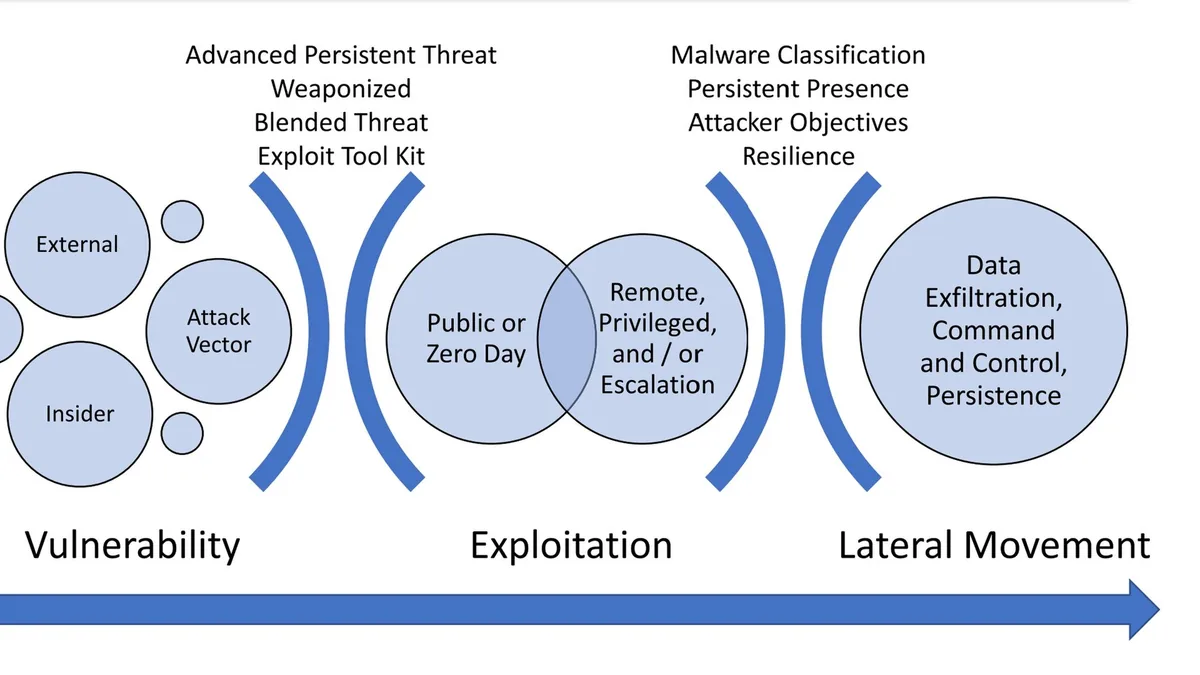
Neodyme says that, regardless of configuration, an intruder with remote code execution on a Puppet server can take the certificate authority signing keys and impersonate other hosts. The finding appears in a Neodyme report published this month. Neodyme also warns that remote code execution on a central Puppet server could enable ransomware deployment, mass data exfiltration, and lateral movement.
Perforce Software issued fixes on Nov. 3, 2026. The updated Puppet Enterprise releases are 2026.0.1, 2025.12.1, and 2023.8.13, along with Puppet Core 9.1.3 and 8.22.2. Administrators running Puppet Enterprise 2026.0.0 before 2026.0.1, 2025.0.0 before 2025.12.1, or 2023.8.0 before 2023.8.13 should update. Users of Puppet Core 9.0.0 before 9.1.3 and 8.x before 8.22.2 are also affected.
The flaw also reaches OpenVox, an open-source Puppet implementation. Patches are available in OpenVox Agent 9.3.0 and 8.32.0 and OpenVox Server 9.2.0 and 8.18.0. Puppet is an enterprise configuration management and infrastructure-as-code platform.
Alain Rödel of Neodyme AG is credited with discovering and reporting CVE-2026-115731 and CVE-2026-115732, a CVSS 9.0 certificate-name authorization bypass affecting Puppet and OpenVox. Neodyme says its researchers found both issues using artificial intelligence and precise steering.
When The Hacker News report was written, no details existed on how attackers are weaponizing the vulnerability in the wild. A Reddit user named transdimensia claimed on Nov. 4 that attackers exploited the flaw soon after public disclosure, citing a CVE-2026-115731 intrusion tied to a severely misconfigured certificate authority; the claim remains unverified and not confirmed by CISA or Perforce.

CISA states that evidence of active exploitation drove the listing. Perforce says it knows of no attacks exploiting the flaw and has seen no evidence of customer data access. No particular threat actor or campaign is tied to the flaw.
Federal Civilian Executive Branch agencies must remediate CVE-2026-115731 by Dec. 1, 2026 under Binding Operational Directive 26-04. The directive requires agencies to check whether threat actors compromised systems before patching and applies only to Federal Civilian Executive Branch agencies.
CISA says the directive binds only federal civilian agencies but urges every organization to practice risk-based vulnerability management and address Known Exploited Vulnerabilities catalog entries. Security Affairs instead cites Binding Operational Directive 22-01 as the rule under which federal agencies must fix catalog-listed flaws by the due date.
The agency plans to keep adding flaws to the catalog when they carry a CVE ID, evidence of exploitation, and clear mitigation guidance. Deserialization of untrusted data is a common attack method for malicious cyber actors and creates serious risk for the federal government.
Puppet is an enterprise configuration management and infrastructure-as-code platform. Organizations should install the updated versions immediately, and until then switch off automatic certificate signing unless requests are strongly verified.
Private organizations should review the Known Exploited Vulnerabilities catalog and address the flaws in their own systems, according to outside experts cited in the report. Federal agencies were told by CISA to repair the flaw before Dec. 1, 2026. The catalog tracks flaws with known exploitation.
Join the discussion