
Key facts
- Russia's emergency alert system broadcast false warnings on Nov. 1, 2026, saying nuclear warheads were launching across the country and urging people to take cover in basements and keep food supplies for three weeks.
- Russia’s Emergencies Ministry attributed the hack of its app to attackers exploiting a vulnerability in its administrative panel, leading to the disconnection and isolation of affected services.
- Ukrainian officials said the hack of the Air Alert app did not affect Ukraine's security operations, and that the app has no connection to the nation's military command systems.
- The developers of the Air Alert app took the app offline and turned off push notifications for a short time following the unauthorized interference.
Ukrainian President Volodymyr Zelenskyy confirmed on Nov. 1, 2026, that Ukraine carried out a retaliatory cyber operation against Russia’s emergency alert system after Russia struck Ukraine’s own alert infrastructure. The confirmation marks a rare public admission by a national government of offensive cyber activity tied to a kinetic strike during the ongoing conflict.
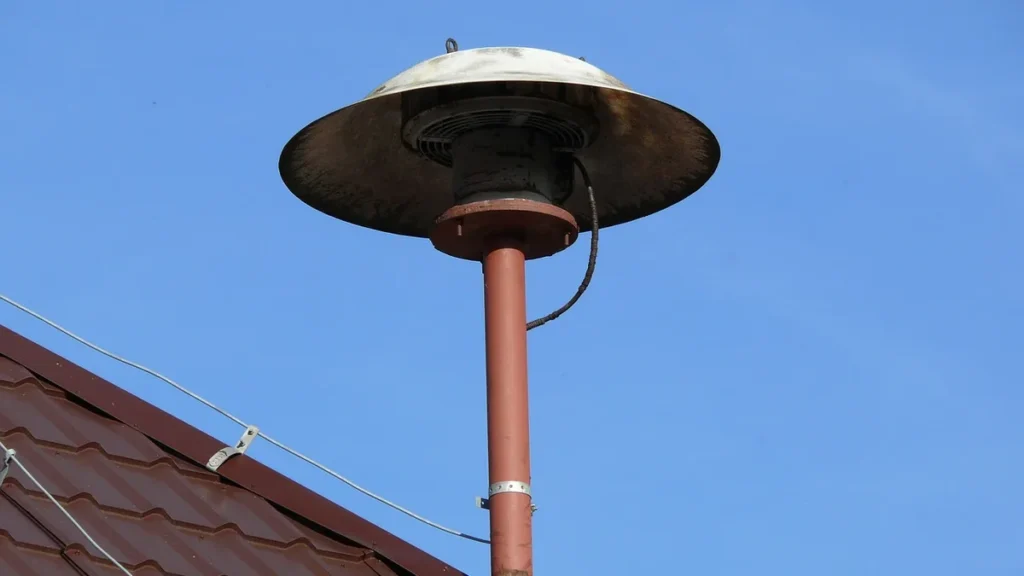
On Nov. 1, 2026, Russia’s emergency alert system broadcast false warnings saying nuclear warheads were launching across the country and urging people to take cover in basements and keep food supplies for three weeks. The Emergencies Ministry app distributed the false alerts to users in 33 regions.
On Oct. 31, 2026, at 10:47 p.m. local time, Ukraine’s Air Alert app sent false warnings of radiation, chemical threats, nuclear attacks, and street fighting in Kyiv. Ajax Systems and Stfalcon developed the app with support from Ukraine’s Ministry of Digital Transformation.
At 11:02 p.m. local time on Oct. 31, 2026, the Ukrainian Air Force confirmed that the Air Alert app faced hostile interference and that there was no radiation threat. The Air Force said, “The Air Alert app appears to have been subjected to hostile interference. There is no radiation threat!” The Air Force urged Ukrainians to remain calm and follow official updates, and Ukrainian officials said the hack did not affect Ukraine‘s security operations and that the app has no connection to the nation’s military command systems.
Yurii Ihnat, a spokesman for the Ukrainian Air Force, made this statement.
Russia’s Emergencies Ministry attributed the hack of its app to attackers exploiting a vulnerability in its administrative panel, leading to the disconnection and isolation of affected services. The ministry described the incident as a massive cyber attack enabling false information distribution. Russia’s emergencies ministry stated that its mobile alert system returned to normal operation after the cyber attack. The ministry emphasized that the app serves as a supplementary information service.
The developers of the Air Alert app took the app offline and turned off push notifications for a short time following the unauthorized interference. The developers later called the incident a cyber attack and began restoring the service with protective measures.
Ukraine’s state emergency service reported on Nov. 1, 2026, that the national alert system was operating normally after the incident. NBC News producers in Kyiv reported no further issues with the Air Alert app.

A Telegram channel called Hitcorecorp claimed responsibility for the Air Alert hack, though NBC News could not verify its involvement. Pro-Kremlin Telegram channel Mash reported the claim.
Ukrainian residents reported receiving false alerts in Russian, leading some to initially suspect Russian involvement before verifying the alerts were fake. The false alerts included references to Russia’s nuclear-capable hypersonic missile, the Oreshnik, in Russian, and claimed Ukraine was under nuclear alert. Many Ukrainians responded with humor online, dismissing the alerts as fakes.
Ukrainian MP Oleksandr Merezhko neither confirmed nor denied whether Ukraine was behind the reported cyber attack on Russia’s emergency alert system. Merezhko noted that Ukrainians have become skeptical of alerts due to constant false warnings.
A humanitarian ceasefire between Ukraine and Russia in Oleshky, brokered with involvement from Melania Trump and Pope Leo XIV, ended on Oct. 31, 2026. The truce allowed humanitarian aid and evacuations but was not expanded into a broader peace agreement. Ukraine’s human rights commissioner Dmytro Lubinets stated that both sides observed the ceasefire agreement in Oleshky and were discussing further humanitarian measures. Lubinets is exploring opportunities for additional humanitarian initiatives with his Russian counterpart.
Ukraine’s armed forces accused Russia of using the ceasefire to rotate units and fortify positions in Oleshky. Kremlin spokesman Dmitry Peskov countered that Kyiv could have used the ceasefire to regroup.
The cyber attacks on emergency alert systems in Ukraine and Russia occurred hours after the humanitarian ceasefire in Oleshky ended on Oct. 31, 2026. The timing raised fears of intensified conflict rather than de-escalation.
Join the discussion