

Key facts
- Tesla is inviting select customers to purchase the Cybercab for personal use through an invitation-only offer with no public order page.
- The listed price is $29,990 excluding taxes.
- Owners may not use the car to earn money through ride-hailing, delivery work or Tesla's own network.
- Elon Musk called the subscription too high and said it should be about $115 per month, closer to the $99 Full Self-Driving price.
Tesla invited select customers to buy its Cybercab on Friday through an offer limited to invited buyers, with no public ordering page, the company said on social media. The driverless vehicle has no steering wheel or pedals and lists for $29,990 before taxes. Tesla has not explained how it selects invitees or how it will divide vehicles between private buyers and the company fleet. A $1,000 nonrefundable deposit is required to hold a delivery window, and estimated deliveries begin in December without a guaranteed date.
The Autonomy Subscription costs $299 per month, and the vehicle will not move without it; if the subscription is canceled or the account is suspended, the car cannot be used on public roads. One source describes the fee as $300 per month. The plan covers autonomous driving, maintenance and towing, but insurance is not included.
Over five years, subscription payments come to about $17,600, putting the total close to $47,600 before taxes, charging and insurance. Tesla may increase the price after giving 30 days’ notice, and continued use counts as acceptance. If canceled, there is no partial refund for the rest of the month.
Private owners can use the car only in supported service areas, which means buyers must live where Tesla Robotaxi already operates; for now, that is only certain cities in Texas and Florida. The car cannot be used for ride-hailing, delivery work or making money through Tesla’s network. Before customer vehicles can join the robotaxi network, there is no way to offset the monthly fee.
Musk said the subscription is too high and should cost about $115 per month, near the $99 Full Self-Driving price. Brownlee was invited and ordered one even though he lives in New York, where wider regulatory approval is needed before the car can be used. Brownlee once promised to shave his head if the Cybercab sells for less than $30,000 before 2027. Musk mocked the pledge; Brownlee said his hair is safe.
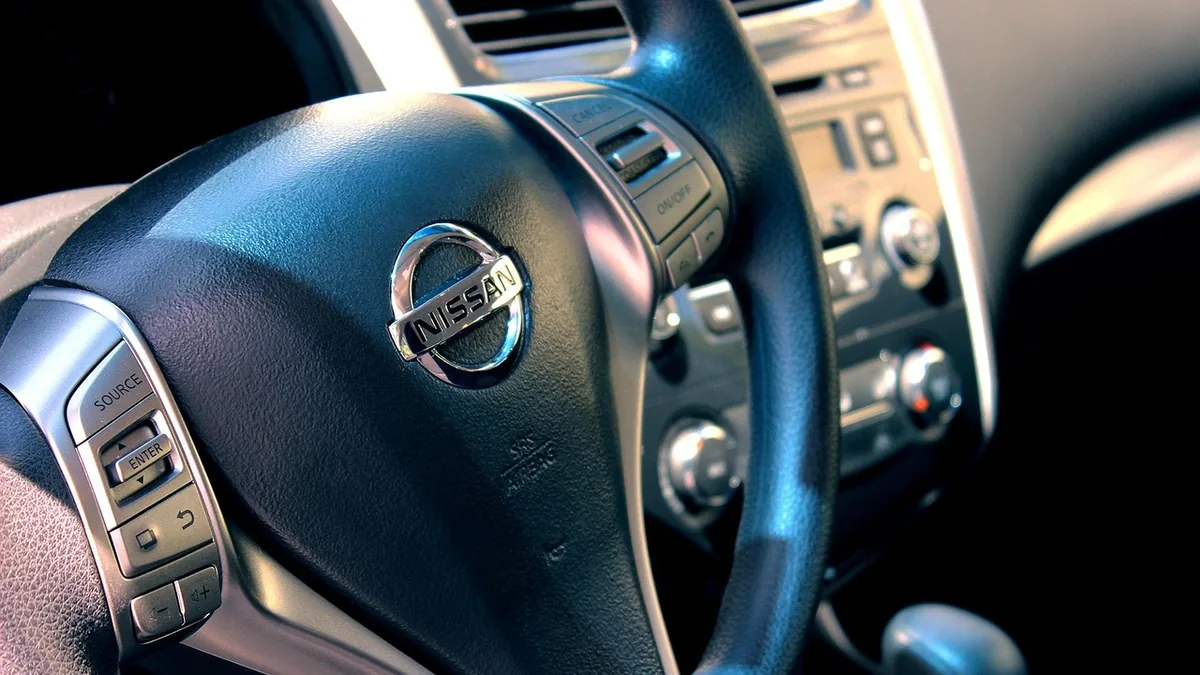
NHTSA is examining Tesla’s self-certification for a vehicle that lacks steering wheels, pedals and side mirrors. U.S. auto safety regulators opened an inquiry into the Cybercab in September. In October, Tesla sent its legal justification to the agency and asked for confidentiality; no ruling has been issued. National safety rules call for traditional controls like steering wheels and pedals.
Questions about insurance and liability are still open because Tesla has not said how insurers would cover a driverless car or split crash responsibility between the owner and Tesla. Many states require a person ready to take over as supervisor or driver in many vehicles. Tesla showed off the Cybercab at the 2024 We, Robot event as a $30,000 driverless car that owners could earn money from through its network; subscriptions were not part of the original pitch.
The Robotaxi service began with Model Y SUVs in Austin, Texas, in June 2025 before expanding to other cities in Texas and Florida. Last September, Tesla added the Cybercab to its Austin Robotaxi service, which had run Model Y vehicles before; the Cybercab now carries passengers in Austin. It has also reached cities in California. Waymo, Alphabet’s self-driving unit, works in 11 U.S. cities.
In 2016, Tesla said every vehicle it made included hardware for full self-driving. Musk predicted over a million robotaxis would be on public roads by 2020, but Tesla has not fully achieved that vision. Tesla stock dropped almost 2 percent during Friday’s regular session and another 1 percent after hours.
Musk said on November 14, 2026 that expansion would occur nationwide subject to “regulatory approval.” Tesla plans to sell the Cybercab to the public before the year ends, after the current invitation-only phase. Ashok Elluswamy, Tesla’s head of AI, suggested the second quarter of 2027 as a possible time for customer vehicles to join the robotaxi network.
Join the discussion