

Key facts
- Al Jazeera reported earlier this year that some technology has also been sent to Western governments that publicly criticize Israel and its actions.
- Palantir agreed in January 2024 to a partnership with Israel's Ministry of Defence that was described as strategic and tied to war-related missions, and Al Jazeera describes Palantir as a US tech giant.
- Under the $1.2bn Project Nimbus, Google and Amazon give the Israeli military advanced facial recognition tools plus artificial intelligence capacity.
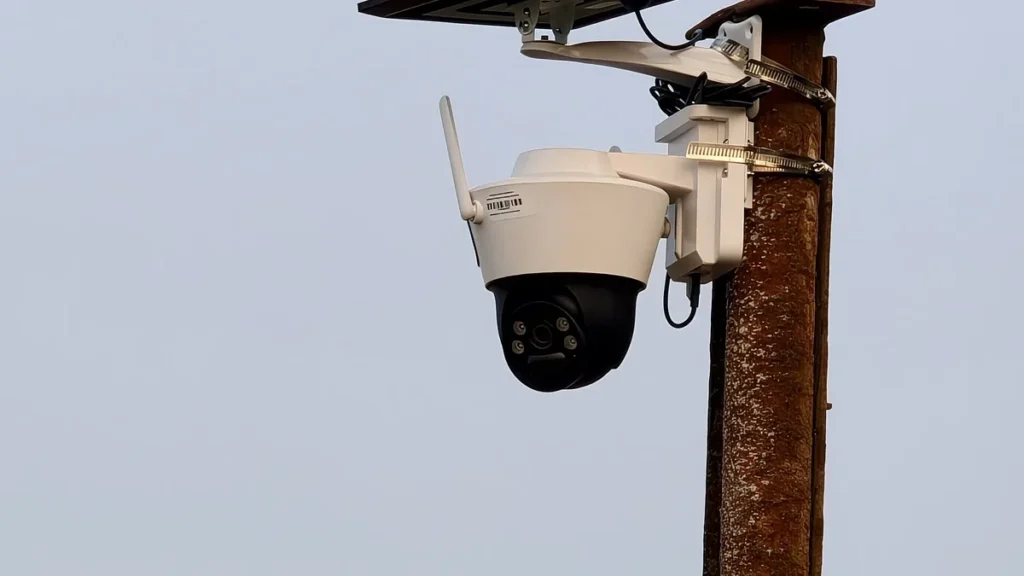
- Jalal Abukhater of digital and social rights group 7amleh said Palestinians are photographed constantly in places including East Jerusalem and Hebron, including at checkpoints and roadside cameras.
Al Jazeera reported that Amazon, Google, Microsoft and Palantir are among the US technology companies involved in the trade of technology and expertise Israel uses to monitor, track and kill Palestinians in the occupied West Bank and Gaza.
The $1.2bn Project Nimbus contract gives the Israeli military advanced facial recognition tools and artificial intelligence capacity through Google and Amazon. Al Jazeera describes the deal as a major part of United States technology backing Israeli military operations in the West Bank and Gaza. Apart from that contract, hard figures are difficult to obtain about the scale of trade ties linking Israel with US technology companies.
Activists cited reports to Al Jazeera that Amazon’s cloud infrastructure was used by the Israeli military for uploading millions of images of Palestinians. They treated this as evidence that Western and principally US technology is deeply entrenched in Israel’s military and economic ecosystem. Jalal Abukhater of the digital and social rights group 7amleh said the 3.5 million images uploaded to Amazon are nothing compared with constant photography feeding into unexplained systems.
Abukhater said Palestinians are photographed constantly in places including East Jerusalem and Hebron, including at checkpoints and roadside cameras. He said people pulled in by security services have been shown heat maps of their entire lives based on telephone tracking and constant surveillance.
Abukhater said the 2025 exposure of Microsoft’s role uncovered audio recordings totaling 200 million hours on a server in the Netherlands. Reports say sources believed Microsoft’s Azure cloud computing platform stored archives of intercepted Palestinian phone calls, and those archives helped guide deadly air strikes. The platform serves as surveillance storage. The recordings illustrate the scale of audio surveillance.
US chipmaker Nvidia is so central to the Israeli economy that economists credit its tax payments with helping reduce the country’s fiscal deficit. A rightward shift in Silicon Valley over recent years has been accompanied by more overt support for Israel.
Analysts have pointed to connections between leading US tech giants and the Israeli military, specifically members of its cyberwarfare Unit 8200. Questions about potential conflicts of interest arise from the overlap in personnel between Israeli military intelligence and US tech firms.
Palantir agreed in January 2024 to a partnership with Israel’s Ministry of Defence. The arrangement was described as strategic and tied to war-related missions. Al Jazeera describes Palantir as a US tech giant.
Francesca Albanese, the UN special rapporteur, said in July 2025 that there were reasonable grounds to believe Palantir had supplied predictive policing technology to Israeli forces and had also supplied an artificial intelligence platform to them. Albanese said proper due diligence would have led technology firms such as Palantir to divest from Israel long ago. The criticism centers on due diligence failures.
The Business and Human Rights Resource Centre, an international nonprofit tracking corporate conduct, logged numerous allegations in January 2024 that Palantir technology had been used in Israeli attacks on Gaza. Palantir denies abetting war crimes. The company also denies developing the Israeli military’s Lavender and Gospel AI-assisted targeting systems.
Palantir has issued a denial.
Open Intel, which tracks corporate involvement in the war, links Palantir’s software to Israeli military efforts to combine intercepted communications, satellite imagery and other data into military targeting lists. The combined heft of US technology and the Israeli military has helped bring about one of the planet’s most surveilled populations.
Al Jazeera describes Israel’s war on Gaza as genocidal and says Palantir has been unapologetic in its support for Israel throughout it. Palantir’s stance remains supportive of Israel. The outlet received no comment from Palantir, Google, Nvidia or the Israeli military.
Al Jazeera also reported that some technology Israel relies on has been sent to Western governments that publicly criticize Israel and its actions.
Albanese’s report says Amazon and Google intervened after Israel’s cloud and AI infrastructure became overloaded following the start of the war on Gaza in October 2023. OpenAI’s models have reportedly been used in Israeli military operations, with access provided through Microsoft’s Azure platform.
Documents leaked in January 2025 indicate the Israeli military started purchasing access to OpenAI’s GPT-4 in August 2023, with usage rising 20-fold after the Gaza war began. An OpenAI spokesperson told Al Jazeera, “OpenAI does not have any contracts with Israeli military or intelligence entities.” OpenAI also said it does not control the entities Microsoft contracts with through Azure and uses a rigorous process to assess proposed deployments of its technology to national security entities against its National Security Principles.
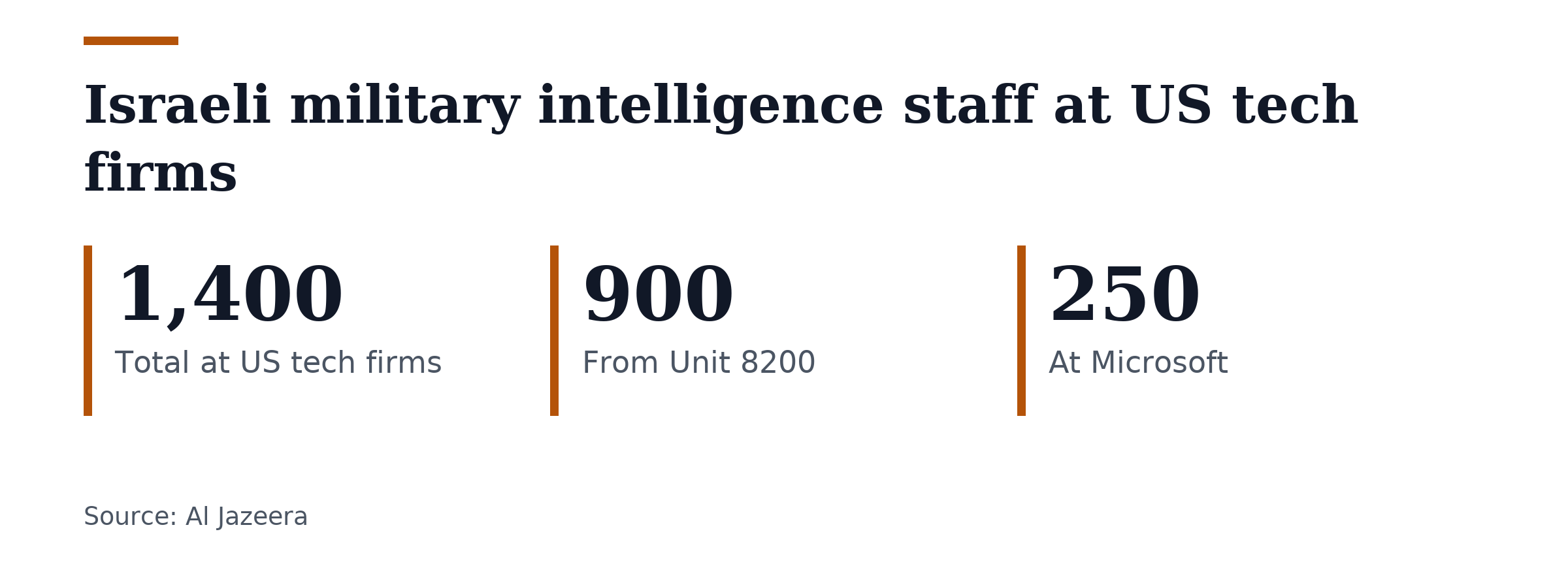
In 2025, Drop Site News reported a database of current and former Israeli military intelligence members showed about 1,400 working at US tech firms. The database included roughly 900 from Unit 8200 and about 250 at Microsoft, with others at Nvidia, Meta, Google, Intel and Apple.
Serious concern was reported at a senior Microsoft level that some Israel-based employees had not been transparent about how Unit 8200 was using its technology. The Guardian reported that a Microsoft inquiry examined conflicting loyalties some Israel-based employees felt toward the company and the Israeli military.
Paul Biggar, founder of Tech for Palestine, said Israeli military personnel are embedded throughout US technology companies. He said members of Unit 8200 are frequently hired into senior roles and then recruit people with comparable technology and intelligence backgrounds to build a culture linked to their original unit. Biggar said these people are spies whose top priority is bringing in more people from Unit 8200 to increase influence, including acquiring Israeli companies into US Big Tech.
Join the discussion