

Key facts
- [KEY] QNAP warned on November 6 that attackers are actively compromising NAS devices through the Plex2Shell vulnerability chain.
- [KEY] QNAP Technical Support is assisting affected users.
- [KEY] Chaining the flaws lets an unauthenticated remote attacker run code at the privilege level of the Plex Media Server process.
- [KEY] Installing the update does not remove payloads or software attackers may already have installed on the device.
QNAP warned on Nov. 6, 2026 that attackers are actively compromising network-attached storage devices through the Plex2Shell vulnerability chain. The company said it received reports of suspected customer NAS compromises, and QNAP Technical Support is assisting affected users. QNAP PSIRT said the weaknesses affect only Plex Media Server and not QTS, QuTS hero or other QNAP operating systems.
The Plex2Shell chain comprises four vulnerabilities in Plex Media Server: CVE-2026-96652, CVE-2026-96654, CVE-2026-96655 and CVE-2026-96656. An attacker who chains the flaws can execute code remotely without authenticating, running at the privilege level of the Plex Media Server process. The flaws affect servers running Plex Media Server version 1.43.2 and earlier; build 1.43.3.10861 and later do not contain them.
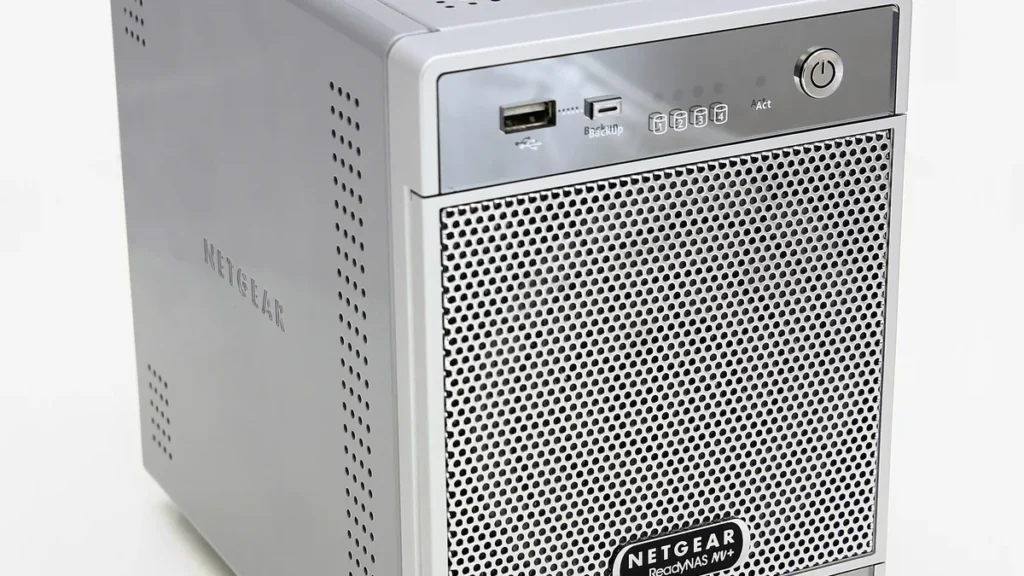
A QNAP network-attached storage device is a specialized computer with built-in storage for storing, accessing and sharing files across a network. People install applications like Plex Media Server through the QNAP App Center to add features, and the server streams movies, television shows and music straight from drives on the NAS device. Because these devices frequently hold family photos, scanned documents and backups, an intrusion is more damaging than losing a movie library.
The flaws were found by security researcher Zach Main, who told Plex about them on July 27. Plex confirmed the report and issued a bounty payment on August 4, and the issues received CVE numbers on September 23. A full write-up from the researcher appeared on October 16, and attacks began soon after full technical details became public. Plex shared details of the ongoing exploitation in an October 19 post on its security forum thread.
Plex said hijacked servers have been used to create cryptocurrency and run proxy software that forwards other people’s traffic through victims’ connections. Researchers observing the attacks found a XMRig-based coin miner and a proxy program named myawesomeproxy on servers that had been compromised. The proxy program forwards a stranger’s internet traffic through the victim’s connection. Compromised systems may also run unfamiliar processes such as myawesomeproxy, mylovelyminer or x12345.
Possible indicators of compromise are unfamiliar files in the Codecs folder, outbound connections to proxystream.st, and sustained high CPU usage when nothing is playing. Users should check the device if they notice slow performance, unfamiliar processes or fans running hard. Anyone running a vulnerable Plex server that is exposed to the public internet should assume their NAS device and personal content are compromised. Plex also said internet-facing servers running the patched build should still be treated as potentially compromised.
Exploit code is publicly available, and scanners continuously look for open Plex ports. Internet-wide scans this year found hundreds of thousands of exposed Plex web interfaces on the public internet. QNAP expects more compromise reports because many NAS owners do not check for app updates. QNAP has not disclosed how many devices the attacks hit.
QNAP devices, Windows or Linux computers, and Docker containers running Plex Media Server older than build 1.43.3.10861 face exposure. Attackers are less likely to reach a server used only inside a home network, but it still requires updates. Package centers can lag, and NAS devices often run unattended for long stretches, so NAS operators face outsize risk.
On Oct. 20, 2026, CISA added all four flaws to its Known Exploited Vulnerabilities list. It ordered federal agencies to upgrade to Plex 1.43.3.10861 or newer within three days and gave the flaws priority.
QNAP advises customers to download the latest Plex Media Server release through the QNAP App Center, which is currently build 1.43.3.10861. Applying the update will not remove payloads or other software that attackers may already have installed on the device. QNAP recommends that customers check its security bulletin for indicators of compromise, reinstall QTS or QuTS hero from scratch, and reset credentials for Plex and NAS accounts.
If remote Plex access is not needed, users should turn off related features and stop forwarding port 32400 on their routers. Users who require remote access should connect through a VPN rather than leaving port 32400 open. QNAP has published a detailed remediation guide that walks through the recommended actions.
After a suspected compromise, users should change their Plex password and every NAS account password. Before changing the password, users should sign out of every device on the Plex account, since the administrator token may have been exposed. QNAP also advises changing credentials stored on the device, such as those for backups or cloud connections.
Users whose server was reachable from the internet should back up needed files before reinstalling QTS or QuTS hero from scratch. If they want QNAP support to investigate, users should copy the Plex Logs folder before removing the app. Users should reinstall Plex from App Center and avoid restoring the previous Codecs folder.
QNAP will examine logs from suspected compromises that users send through its technical support portal. Plex Desktop 1.115.0 also contained fixes for the issues. Users of Windows and macOS who have automatic updates turned on should confirm they are running a current build. Manual updaters can download the installer from Plex’s downloads page.
Plex provides separate instructions for Docker users that point to the pms-docker repository on GitHub, and NVIDIA Shield owners are instructed to open Google Play.
"These vulnerabilities are being actively and widely exploited,"
Plex, BetaNews, Inc.
Join the discussion