
Key facts
- The order marks the FCC's first enforcement action under component rules that took effect October 13.
- The new rules extend restrictions from finished telecommunications and video-surveillance equipment to individual logic-bearing components inside devices.
- The FCC’s action signals that third-party surveillance cameras and smart home devices using HiSilicon or other Covered List chips may now face market authorization denials, even if assembled by non-Chinese brands.
- Neither the dashboard camera nor the wireless video transmitter had received U.S. market authorization before the ban.
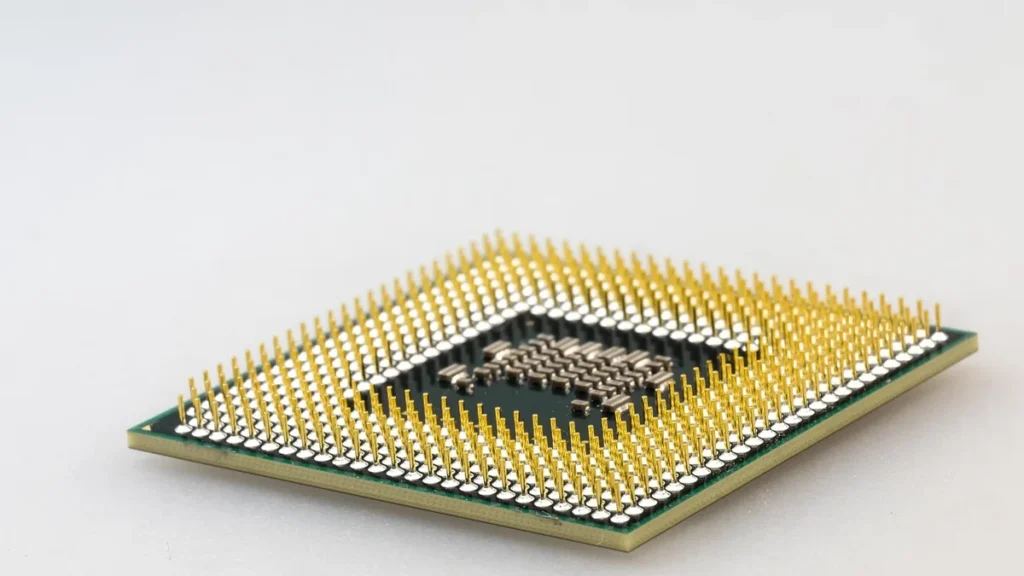
The Federal Communications Commission banned a wireless video transmitter and a dashboard camera containing Huawei subsidiary HiSilicon chips on Thursday, marking the first enforcement under component rules effective October 13. E-commerce platforms that list unauthorized devices must show the FCC ID when selling online, and firms buying HiSilicon or other Covered List chips might need months to redesign, test, and qualify replacement parts.
The FCC adopted the underlying component-level rule in July 2026. Those rules bar authorization for devices with logic-bearing hardware components from Covered List entities, including processors and chipsets able to run software or firmware.
Neither device had received U.S. market authorization before the ban. FCC Chair Brendan Carr said video devices built with surveillance chips from Covered List entities present an unacceptable risk to the nation and its people.
“Video devices containing surveillance chips produced by Covered List entities pose an obvious and unacceptable risk to the nation and our people,” Carr said. “We will continue to act aggressively to enforce our rules and secure American networks,” he added.
HiSilicon is a subsidiary of Huawei on the FCC’s Covered List, which names companies whose products pose an unacceptable national-security risk. Huawei joined the FCC’s Covered List on March 12, 2021, and a footnote extends coverage to subsidiaries and affiliates of named producers. HiSilicon markets its chip as designed for the surveillance market and says it includes built-in detection algorithms for human faces. UA.NEWS says The Verge reported the FCC pointed to a HiVision Hi3516CV610 chip, while Hoodline says the FCC did not name a chip part number.
The Covered List also names ZTE, Hangzhou Hikvision Digital Technology, Dahua Technology, and Hytera Communications. An FCC framework adopted in 2022 blocked authorization for importation, marketing, or sale of certain Chinese telecommunications and video-surveillance equipment deemed a national-security risk. The 2022 rules also extended to units and partners of listed companies.
An interim freeze in November 2022 blocked approvals of covered equipment while broader rules waited to take effect. An FCC rule on February 6, 2023, blocked authorization, marketing, and importation of equipment on the Covered List. The FCC announced bans in April 2023 on Chinese telecom and video-surveillance gear viewed as national-security threats.
The component ban applies no matter who assembles the finished device, closing a loophole that allowed third-party brands to use HiSilicon processors. Third-party surveillance cameras from Hikvision and Dahua, both Covered List firms, contain HiSilicon processors.
Companies that buy HiSilicon or other Covered List chips might need months to redesign, test, and qualify replacement parts. The FCC projects roughly $50 million in yearly compliance costs and national security benefits worth more than $100 million annually. The FCC’s action indicates that third-party surveillance cameras and smart home devices using HiSilicon or other Covered List chips may face denial of market authorization, even if assembled by non-Chinese brands.
Online platforms that list unauthorized devices must display the FCC ID when selling on the internet. The FCC cites Section 302 of the Communications Act as authority to enforce against e-commerce platforms, a legal theory that courts have not yet tested.
The FCC is seeking comment on requiring a full bill of materials for every device seeking authorization, naming all entities that produced any component, as a condition of approval. The FCC’s new rules are part of a broader trend of expanding the Covered List, including bans on foreign-made drones in December 2025 and new Chinese-made consumer routers in March 2026. The FCC’s ban on Covered List components is part of a longer-term strategy to require supply-chain transparency in consumer electronics, analogous to software bill of materials requirements.
The Covered List now names DJI and Autel along with Huawei, ZTE, Hikvision, Dahua, and Hytera as entities whose components are banned in U.S. devices. DJI disputed its inclusion on the list in May 2026, citing an independent security assessment that says its products are secure and its data practices are transparent. “the concerns underlying our FCC Covered List designation are not supported by technical evidence,” said Adam Welsh.
The Pentagon’s April 2026 memo found that foreign-built drones create unacceptable risks to national security, citing classified and unclassified intelligence and a classified annex sent to Congress. China’s National Intelligence Law from June 2017 requires all organizations and citizens to support national intelligence efforts, creating legal obligations that corporate policies or foreign incorporation cannot waive.
Drones from DJI authorized before December 22, 2025, remain legal to own and fly in the U.S., while new DJI products are barred from FCC authorization and market entry. Devices authorized before the new rules took effect are not being recalled immediately, but their long-term resale value and vendor support remain uncertain.
Beijing calls the Covered List restrictions protectionist and says they violate World Trade Organization rules. The FCC says its restrictions rest on verified national security findings supported by intelligence community evidence. Huawei did not immediately respond to a request for comment.
Join the discussion