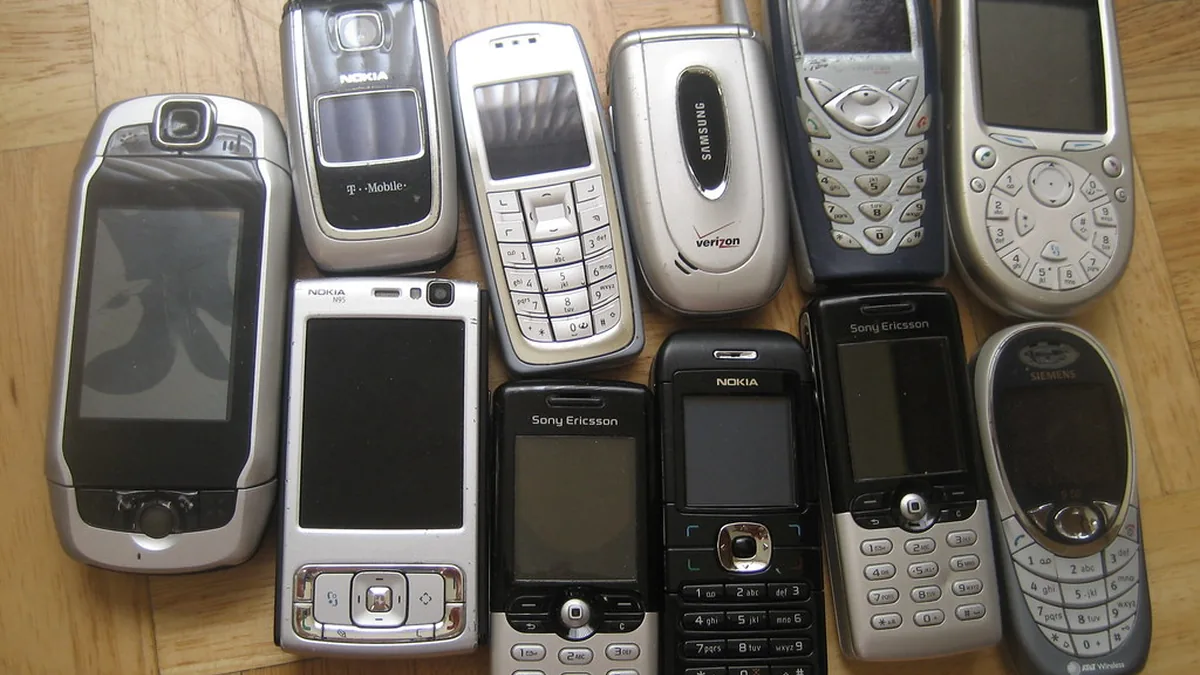
Enterprises apply zero‑trust principles to mobile fleets
Access decisions should link user identity to device health, making authentication depend on context rather than a fixed rule.
Access decisions should link user identity to device health, making authentication depend on context rather than a fixed rule.

The $10 million reward is part of an existing Rewards for Justice program for foreign-government hackers targeting U.S. critical infrastructure, terms unchanged since January 2025.

The Oct. 8, 2026 advisory urges disabling unused services, patching vulnerabilities and using multifactor authentication.

The figure, reported by Bloomberg, far exceeds the about 14,485 individuals publicly known as of August 14, 2025, according to SecurityWeek and CyPro.

Advisory issued Oct. 8, 2026 said hackers tied to Integrity Technology Group stole email from government, law enforcement, healthcare and religious groups and ran a portal giving third parties access

The advisory states that releases of Satel Netco Design earlier than version 2.1.7 are affected.

The attacks hit facilities in Sasovo, Kaluga and Vladimir between October 8 and October 11, shutting down Sasovo and Vladimir completely.

They say continuous verification of badge readers, cameras and controllers reduces attack surfaces and meets regulations like NIS2.

The event starts at 9 a.m. Eastern Time and is expected to reveal updates to Apple TV, HomePod mini and a new smart‑home hub.

Cloudflare Radar data indicated Yandex automated web traffic fell to 0.3% after the strikes, while experts said the decline reflected indexing crawlers, not influence‑operation bots.
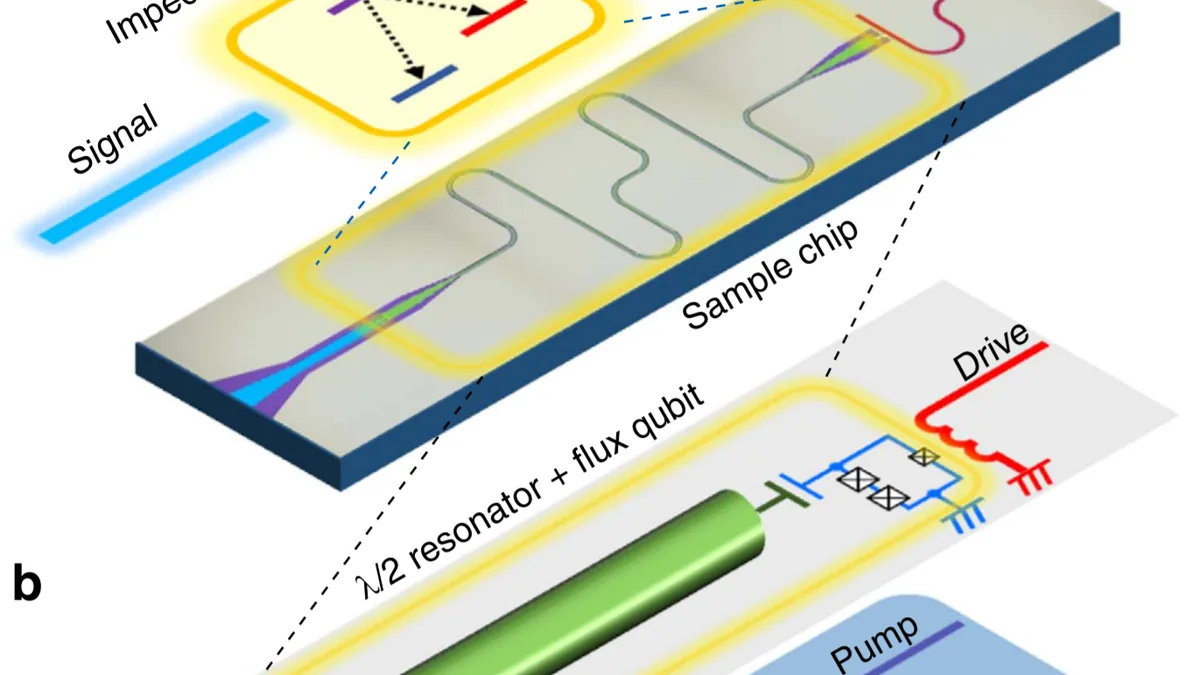
IonQ plans to merge Elisity’s zero‑trust network access controls with its post‑quantum cryptography and quantum key distribution to counter current cyber threats and the harvest‑now‑decrypt‑later risk.

These naming schemes affect attribution confidence and hinder intelligence sharing when vendors apply different names to the same group.