

Key facts
- The IISS report covering October 2025 to September 2026 says sabotage across Europe is intensifying and warns that an attack causing many deaths is possible.
- The study found Russia-linked sabotage operations rose by 16 percent, concentrated in countries supporting Ukraine.
- The report says attacks have become more violent, with more arson and more homemade bombs, including improvised explosive devices.
- Russian proxies, or groups acting for Moscow, have shown growing capability by building more complex devices using timers and remote triggers.
The International Institute for Strategic Studies says Russia-linked sabotage operations increased by 16 percent across Europe from October 2025 to September 2026. The increase was concentrated in countries that support Ukraine. The institute’s report covering October 2025 to September 2026 says sabotage across Europe is intensifying. The report warns that an attack causing many deaths is possible.
The report’s central warning is that a deadly or prolonged operation could force European governments into a response they are not ready for. Its authors say sabotage has not yet had a strategic effect. They warn the room for miscalculation is narrowing and an incident causing mass casualties is possible. The report treats the threat as growing and able to shift from property damage to harming civilians.
The report says attacks have become more violent, with more arson and more homemade bombs including improvised explosive devices. Russian proxies, or groups acting for Moscow, have shown growing capability by building more complex devices using timers and remote triggers, according to the report.
In NATO countries, Russian sabotage damages power plants, telecommunications and energy supplies. Fuel and liquefied natural gas networks and underwater cables are also damaged. The methods include vandalism, arson and cyber attacks. Sabotage efforts have risen by more than fivefold over the last few years, according to the study.
Europe has also faced cyberattacks targeting supermarkets, blood banks and airports, according to The Independent’s reporting cited in the IISS account. Jamming GPS signals remains a problem in several European countries, according to the study.
Operatives working for Russia, including diplomats and freelancers, have been found hiring people who need cash and seem able to do the work. Sleeper agents in Europe usually hire criminal networks to carry out the sabotage instead of doing it themselves.
Sabotage is often disguised as accidents or local feuds. Sleepers have been the main suspects for the last two years.
Investigators for police and intelligence are finding more evidence tying Russia to the sabotage. Some saboteurs have been caught, but none could offer conclusive proof they worked for Russia. European police and security agencies arrested some criminals after detecting sabotage, and some arrested men confirmed the attacks originated in Russia.
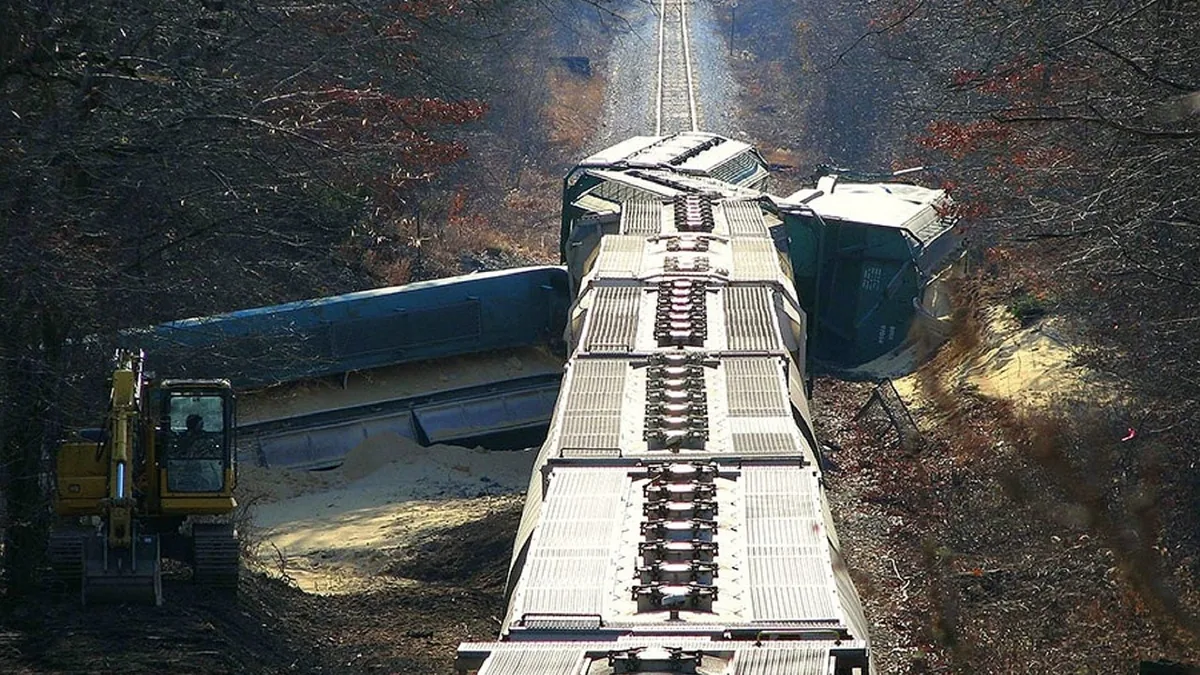
A few railway accidents later turned out, upon reexamination, to be Russian-sponsored sabotage, according to the study. A thwarted plot targeted the head of German arms maker Rheinmetall, and Russia denies involvement.
Recruiting efforts for Russia were crippled but not halted, since people fear that working for Russia leads to quick identification and arrest. Russia relies more on its embassy personnel and on members of the Russian Orthodox Church abroad to help, often against their will.
Russia views economic sanctions as an attack on its economy and describes its sabotage campaign in Western Europe as the response. The Independent’s account includes no reply from Russia. Western intelligence agencies are paying closer attention to sabotage and trying to identify sleepers, according to the study.
An operation causing deaths or lasting disruption would trigger calls for retaliation and probably expose divisions among European governments. The study predicts governments will keep responding to Russian attacks one at a time rather than with a unified approach. None of Estonia, Lithuania or Romania has set out red lines because fear of escalation has been the main instinct.
The first attack causing many deaths, whether deliberate or a miscalculation, would shape how Europe responds, with governments pressured and possibly split. The report says the current approach has barely changed the Kremlin’s strategy. NATO members should publicly state what level of harm triggers what response, improving Europe’s odds of changing the Kremlin’s calculation.
No date is named for any decision. The choice is between responding case by case or setting harm thresholds in advance.
Join the discussion